
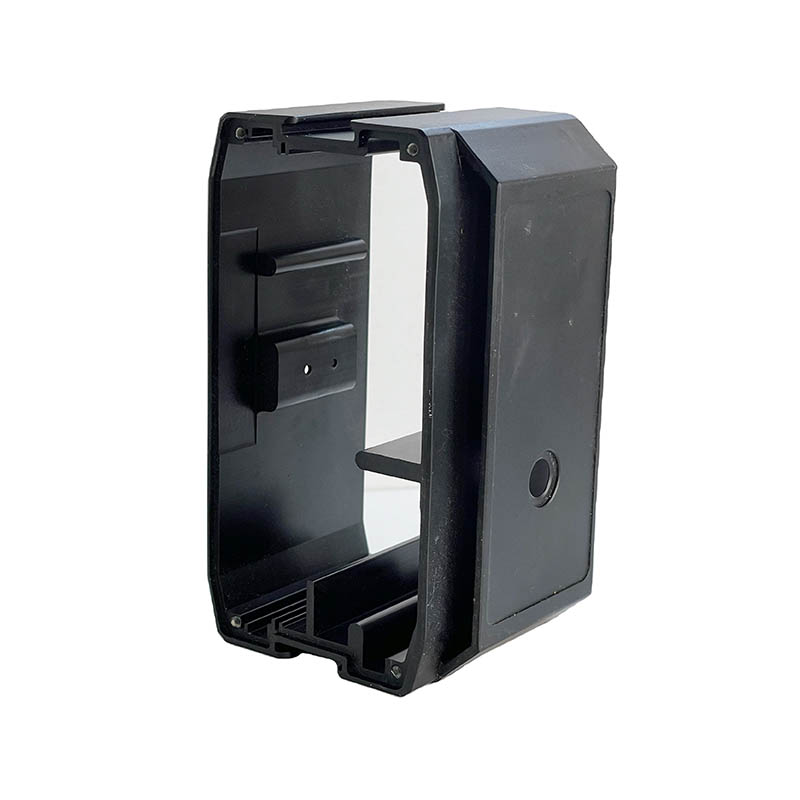
In recent years, CNC milling technology has become a cornerstone in the manufacturing sector, enabling unprecedented precision and efficiency in the production of complex components. Among the prominent players advancing this field are manufacturers specializing in customized machining solutions to meet the growing and diverse needs of various industries. One such company has been making remarkable strides through its focus on research and development, innovative design, and tailored manufacturing services.
The company, based in Dongguan, has carved out a significant niche by concentrating on the production of high-quality automated machinery parts, automotive components, medical parts, die-casting segments, stamping parts, and other precision-machined products. By leveraging advanced CNC milling techniques, they have successfully supplied parts that are integral to industry sectors ranging from agriculture to automotive manufacturing, and medical device production.
**Embracing Advanced CNC Milling for Precision and Reliability**
CNC (Computer Numerical Control) milling is a subtractive manufacturing process that utilizes digitally guided cutting tools to remove material from a workpiece, producing components with complex shapes and tight tolerances. This technology is especially important in industries where exact dimensions and consistent quality are mandatory for product performance and safety.
Manufacturers specializing in CNC milling parts today focus not only on precision but also on scalability and customization. By implementing sophisticated CAM (Computer-Aided Manufacturing) software, these companies optimize tool paths and production parameters, minimizing waste and speeding up the manufacturing cycle. High-quality CNC milling parts manufacturers invest heavily in cutting-edge machinery, employee training, and quality control processes, ensuring they meet and exceed customer requirements.
**A Focus on Diversification and Customization**
The manufacturing company in Dongguan exemplifies this modern approach. By tailoring product design and machining processes to the unique specifications of clients, the company supports a broad array of sectors:
- **Automated Machinery**: Components used in automation systems require rigorous standards due to heavy operational loads and intricate assemblies. Precision-machined parts ensure smooth operation and durability.
- **Automotive Parts**: With the automotive industry’s shift towards electric vehicles and lightweight components, manufacturers must produce parts with new materials and exacting standards. CNC milling facilitates the production of custom brackets, housings, and fixtures that meet these evolving needs.
- **Medical Parts**: The medical industry demands parts that comply with strict regulations, often requiring biocompatible materials and flawless finishes. Precision milling enhances the reliability of surgical instruments, diagnostic devices, and implant components.
- **Die-Casting and Stamping Parts**: These parts serve as molds or dies in mass production. CNC milling manufacturing ensures that these tools have precise dimensions, improving downstream manufacturing quality and efficiency.
- **Agricultural Industry**: Machinery parts used in agriculture often face harsh environments and require robustness. CNC milling parts tailored to specific agricultural equipment boost productivity and reduce downtime.
This strategic diversification has allowed the company to navigate market fluctuations effectively, providing custom solutions that align closely with client demands. The company’s dedication to customized production has won trust among international clients who seek reliable partners capable of handling complex projects.
**Commitment to Research and Development**
To stay at the forefront of CNC milling technology, continuous research and development remain essential. The Dongguan-based manufacturer allocates substantial resources toward exploring new materials, improving machining methods, and developing innovative tooling solutions. This proactive approach has led to the integration of advanced multi-axis machining centers and automated loading systems into their production lines, enhancing both throughput and precision.
Moreover, the company collaborates with academic institutions and technology providers to remain abreast of industry trends and regulatory changes. By adopting lean manufacturing principles combined with Industry 4.0 technologies such as IoT-enabled monitoring and data analytics, the company drives operational excellence while maintaining competitive pricing.
**Sustainable Manufacturing Practices**
In today’s global market, sustainability is increasingly important. The company demonstrates environmental responsibility by optimizing material use, recycling metal scraps, and minimizing energy consumption in the production process. Considerations like reduced tooling wear and efficient coolant use further lower the environmental footprint, aligning corporate practices with green manufacturing initiatives.
**Outlook and Industry Impact**
The growth of CNC milling parts manufacturers reflects broader industrial trends emphasizing customization, automation, and precision engineering. With manufacturing shifting toward smaller batch runs of highly specialized components, companies capable of rapid design iteration and flexible production stand out.
The company’s broad product portfolio and strong R&D capabilities position it as a valuable contributor to advanced manufacturing ecosystems in China and beyond. Its commitment to quality, innovation, and customer service continues to drive expansion into new markets, including aerospace, electronics, and renewable energy sectors.
**Conclusion**
As industries increasingly demand sophisticated, precision-engineered components, CNC milling parts manufacturers play a crucial role in enabling innovation and productivity. By combining cutting-edge technology, tailored production, and sustainable practices, companies like the Dongguan-based machining specialist offer vital support across industries such as automotive, medical, agriculture, and beyond. Their achievements not only reflect the evolution of the manufacturing landscape but also pave the way for future advancements in automated and high-precision machining.